If you're heading to Mexico, don't miss the underwater wonders. The country reveals exceptional aquatic flora and fauna. You'll discover the world's second longest coral reef here! Once again, Mexico unveils its contrasts, even beneath the waves.
Diving in the Caribbean Sea
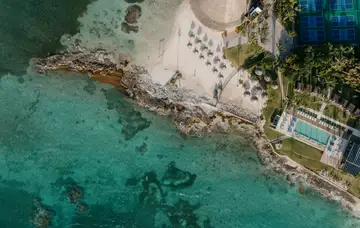
To the east, in the heart of the Caribbean Sea, the water gleams azure and clear. You can also explore the stunning cenotes, these natural water holes of rare beauty. On the eastern coast, diving welcomes you year-round, but we suggest visiting from December to March to savor the water's clarity!
Exploring the Pacific at Guadalupe
To the west, particularly on Guadalupe Island in the Pacific, the underwater flora and fauna reveal different treasures. You'll encounter a bluer, yet more turbulent sea! It's one of the planet's finest spots to observe great white sharks. The best time to venture is from May to November for all diving enthusiasts.
Other world-renowned sites
Mexico attracts divers with its exceptional underwater destinations. On the Caribbean coast, places like Playa del Carmen, Cozumel, and Isla Mujeres offer crystal-clear waters and vibrant marine biodiversity. The period from December to March proves particularly favorable for diving in these areas due to the water's clarity. On the Pacific coast, especially around Guadalupe Island, the best season stretches from May to November to observe species such as the great white shark. To enjoy the finest visibility and tranquility, consider planning your stay in August, September, or October.
A dive… from the Yucatán
Finally, if you enjoy alternating relaxation and exploration, head to the Yucatán Peninsula. Its pristine beaches open directly onto turquoise waters, perfect for slipping on fins and mask before embarking on a journey to discover a fascinating underwater world, without even straying far from the sand.
Did you know?
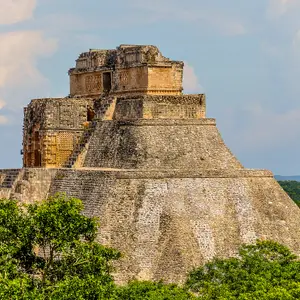
The Yucatán Peninsula shelters multiple Mayan sites, including the pyramid of Kukulcán. Also known as 'El Castillo', this monument rises over 30 meters tall and holds UNESCO World Heritage classification.